One year on: major construction progress on EGL2’s Yorkshire onshore cable route
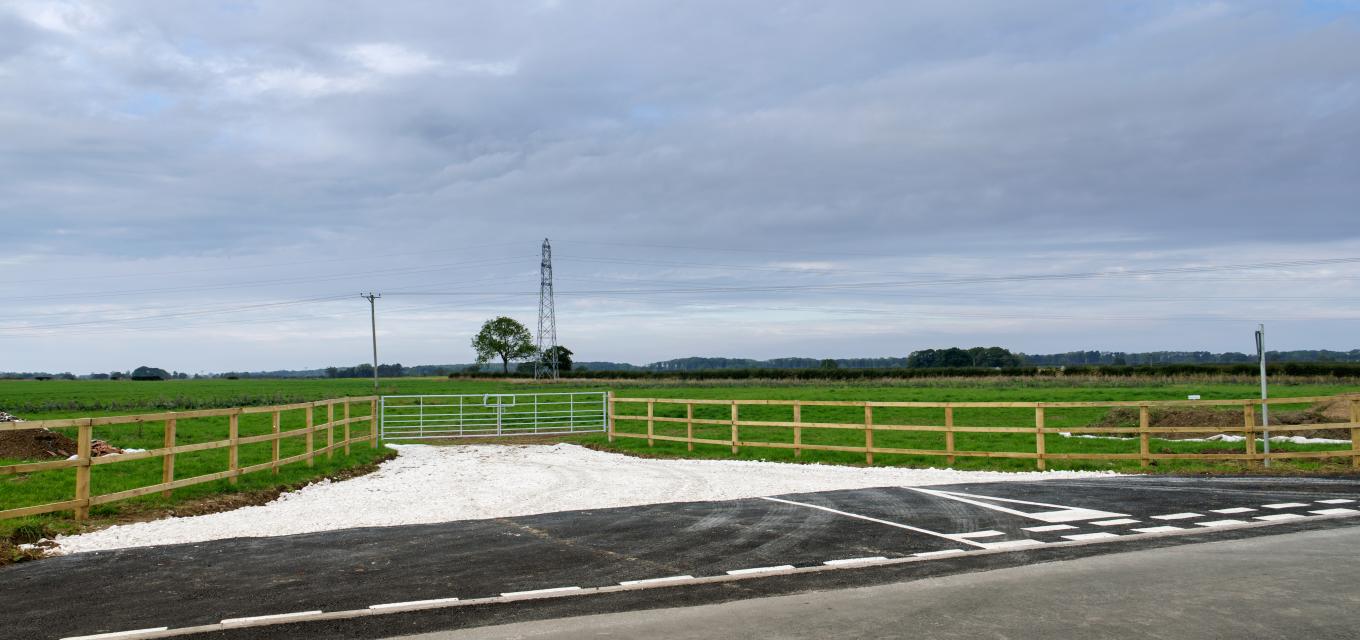
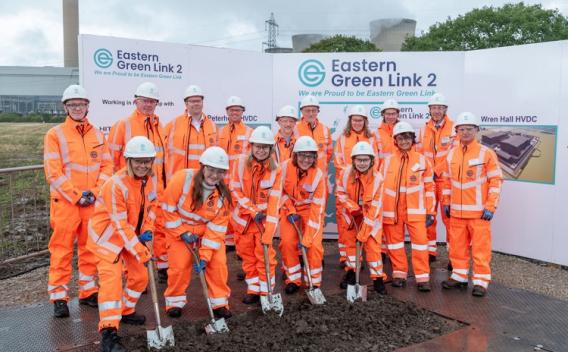
A year after construction enabling works began on EGL2's onshore cable route in Yorkshire, teams are marking significant progress across the project.
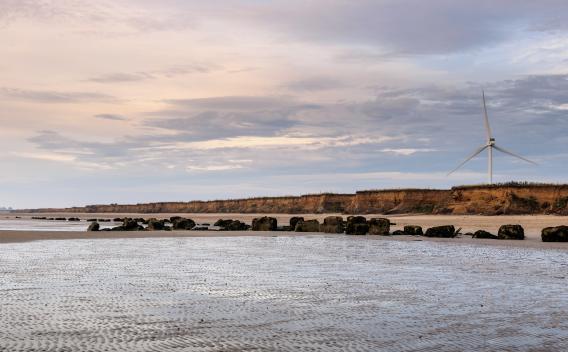
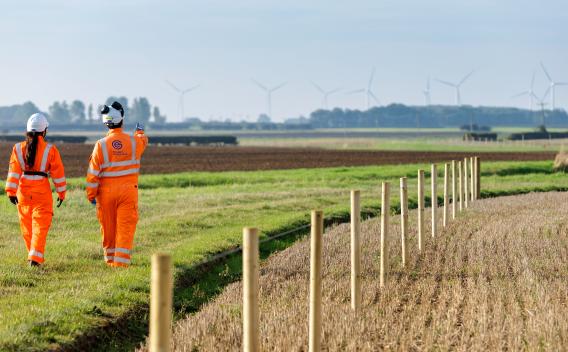
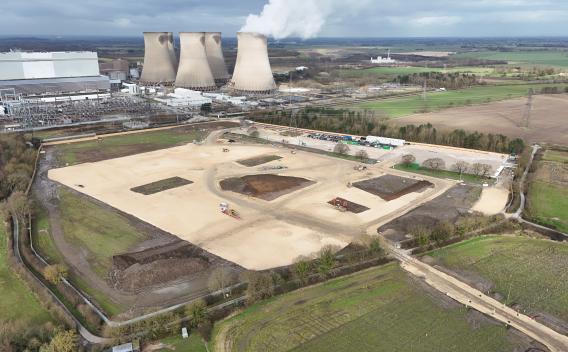
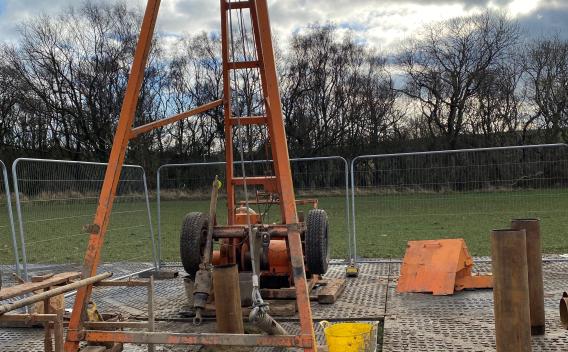
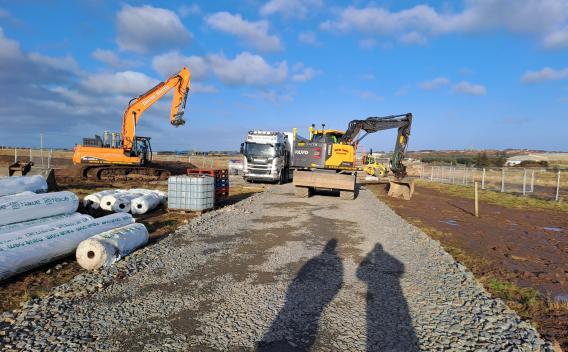
Over the past 12 months, nine Horizontal Directional Drills have been carried out, more than 25km of haul road installed and over 8km of trenching completed across the route. These activities are preparing for the installation of EGL2’s cable connecting Peterhead in Aberdeenshire to Drax in North Yorkshire.
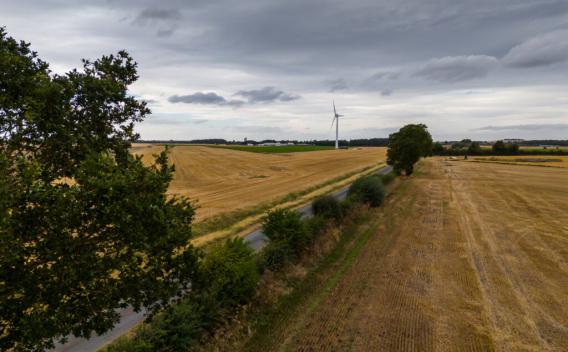
Across the route, construction activities have moved from preparation to active construction, with engineers, construction teams, environmental specialists and archaeologists working at multiple locations across Yorkshire to prepare the route for cable installation.
Since works began in August of 2025, teams have:
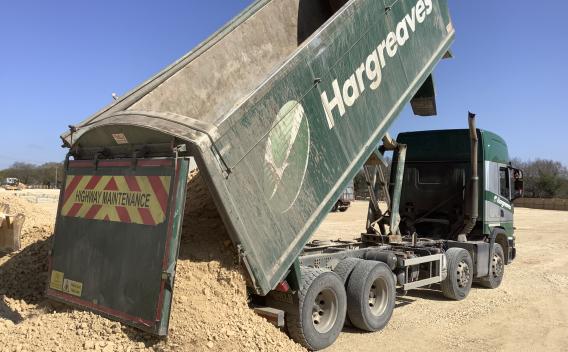
- Completed 25km of haul road, nearly half of the 68km planned across the project
- Delivered more than 8km of trenching in preparation for cable installation
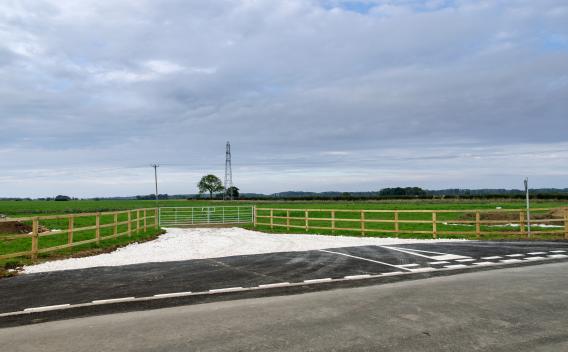
- Installed around 70% of planned bellmouths, creating safe access points between our haul road and the public road network
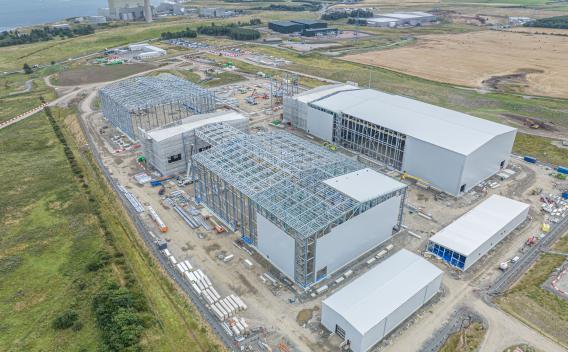
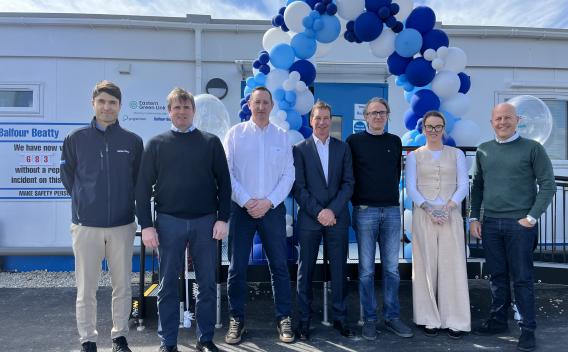
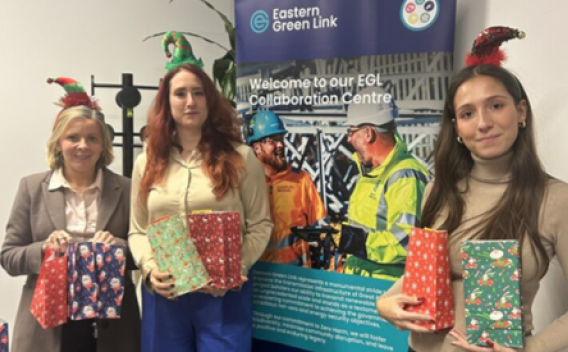
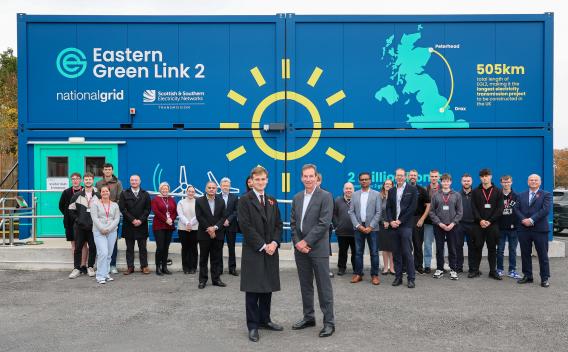
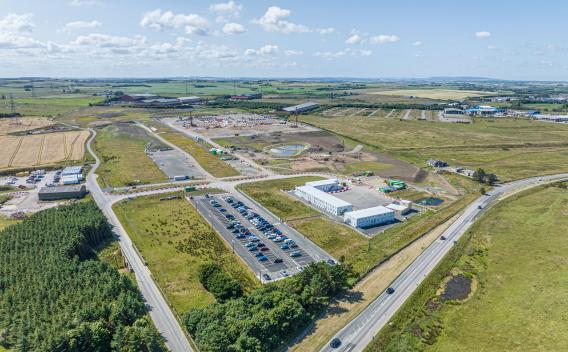
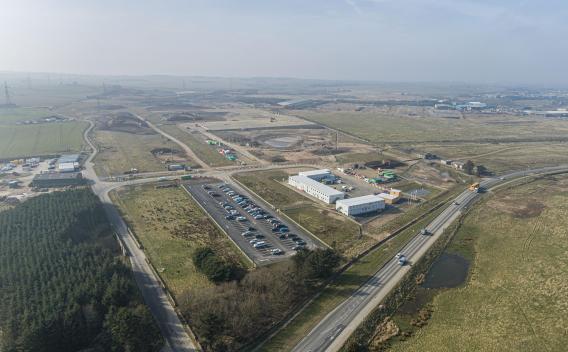
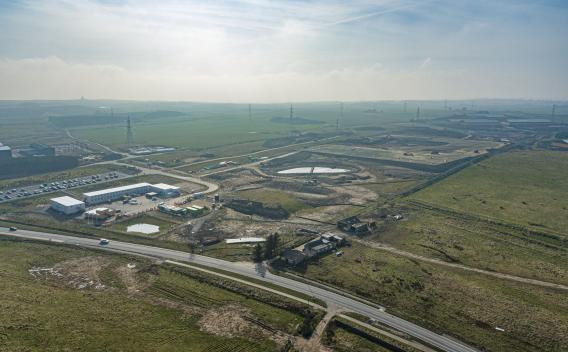
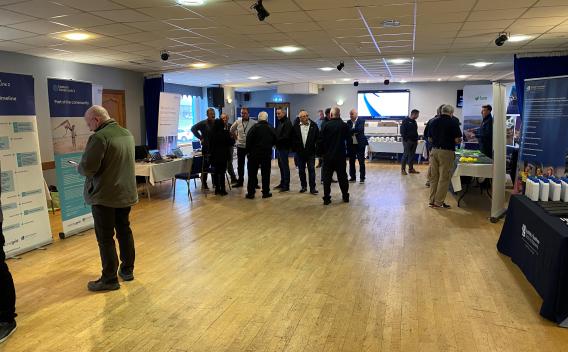
Earlier this year, the project's main cable construction compound and collaboration office near Market Weighton opened, bringing together EGL2 and contractor teams in a shared base to help coordinate activity across the route. A number of additional compounds have also been completed, or are being built, to support the next phase of works.
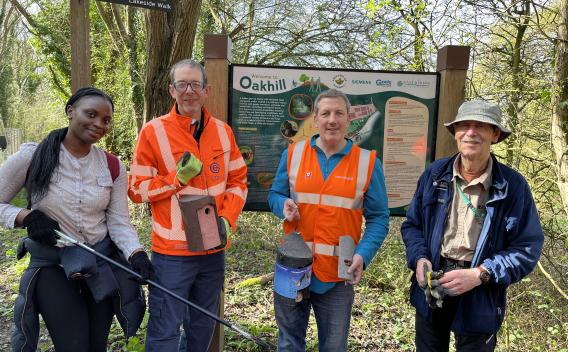
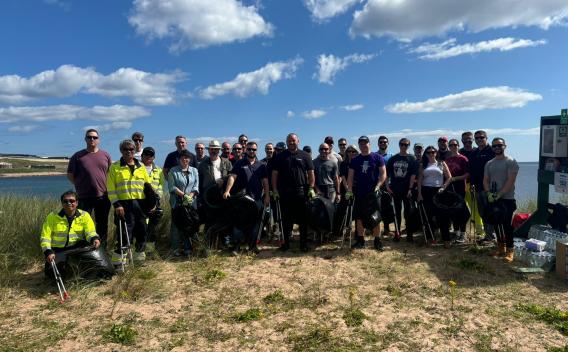
Alongside construction, archaeological investigations, drainage improvements and environmental work continue across the route, helping protect local heritage and carefully manage the land the cable will pass through.
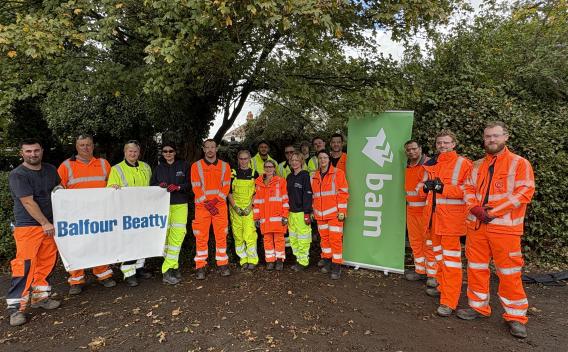
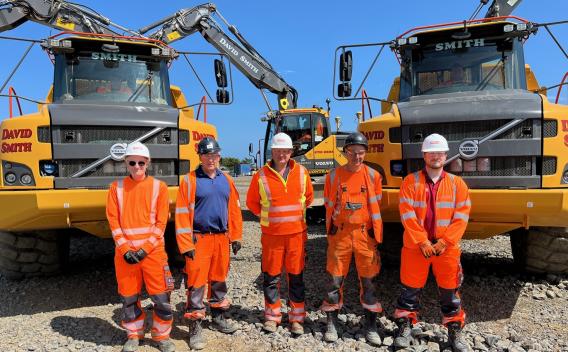
Construction of the onshore cable route is being delivered through collaboration between EGL2, Prysmian and Balfour Beatty, with teams coordinating trenching, duct installation, environmental mitigation works and a range of other activities across multiple locations.
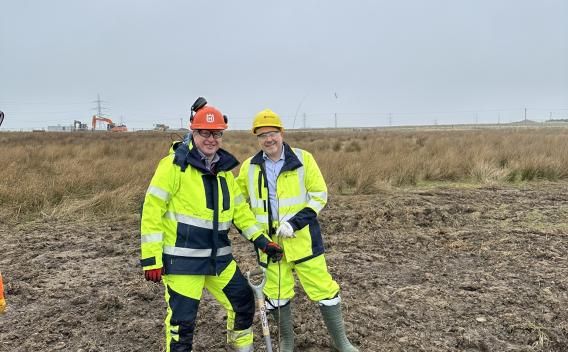
Marking the milestone, Aden Precious, Senior Project Manager for EGL2, said:
"The first year of construction has been about turning planning into progress on the ground. Across Yorkshire, we're now seeing the results of the work that has gone into preparing the route and building the foundations for the next stage of the project.
What makes this milestone particularly important is the way our project team and contractors have worked alongside landowners and local communities throughout construction. We’ve worked hard to minimise disruption and adapt our plans where possible, while continuing to make good progress across the route. Building infrastructure on this scale requires a huge collective effort, and I'm incredibly proud of what has been achieved over the last 12 months."
Darren Webster, Prysmian Project Manager, added:
"Thanks to the professionalism of the teams, we have laid the foundation for success. The work on-site is running smoothly, communication is sharp, and early challenges have been handled with confidence. We’re seeing strong execution and a rhythm that reflects genuine teamwork."
Brendan Maloney, Balfour Beatty Project Director, said:
"The first year of construction has focused on establishing the foundations required for successful project delivery. Despite significant challenges across the route, including the management of complex environmental, archaeological and stakeholder requirements, the project has continued to make strong progress.
The commitment, resilience and expertise demonstrated by the team have positioned EGL2 well, and our focus now turns to delivering the critical construction milestones that will define the next phase of the project."
Looking ahead, teams will continue Horizontal Directional Drilling works at key locations along the route this summer. In August, a triple shot drill will be used to drill beneath a site of special significant scientific interest. Preparations will also begin for the Bridlington landfall drill, marking another important milestone in the delivery of the project.
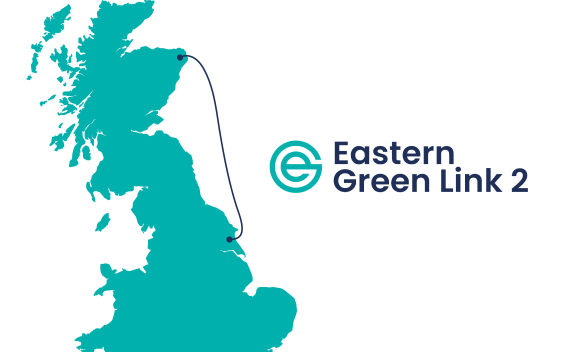
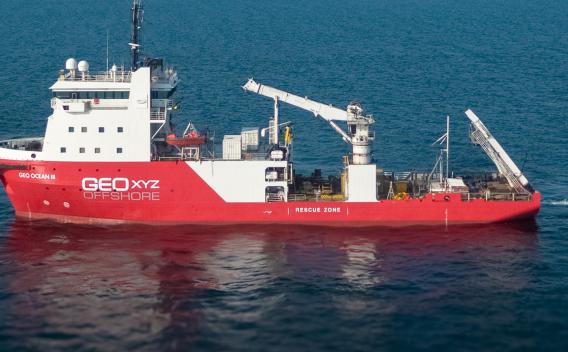
Once complete, EGL2 will connect Peterhead in Aberdeenshire with Drax in North Yorkshire through a 436km subsea cable and 69km of underground onshore cable. The project will help strengthen Britain's electricity network and enable more renewable energy to be transported to where it is needed and supporting growing demand from homes, businesses and public services.