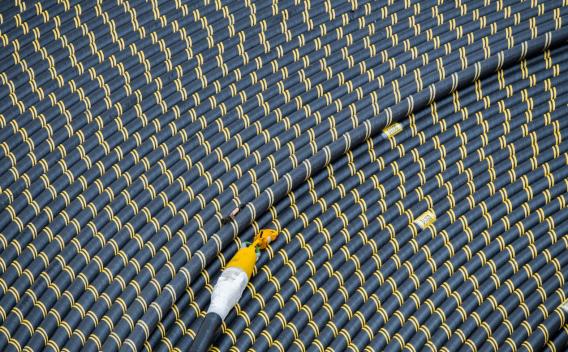
Twin visitor hubs open for the UK’s biggest electricity transmission project
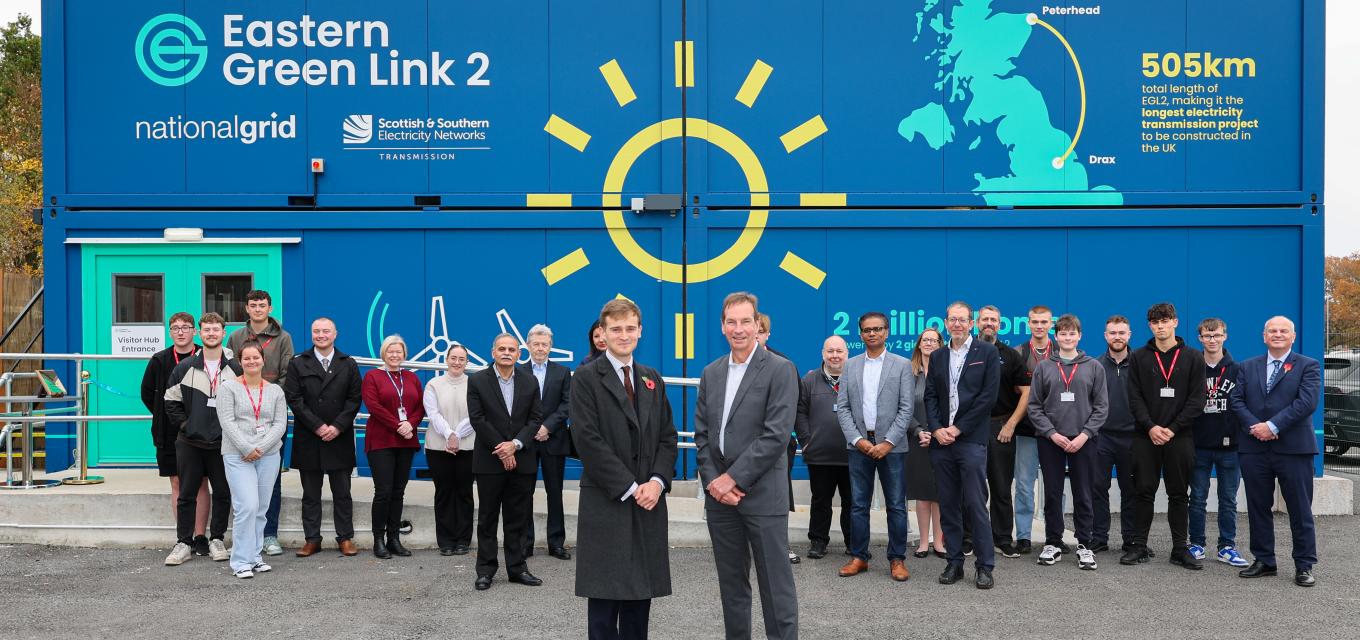
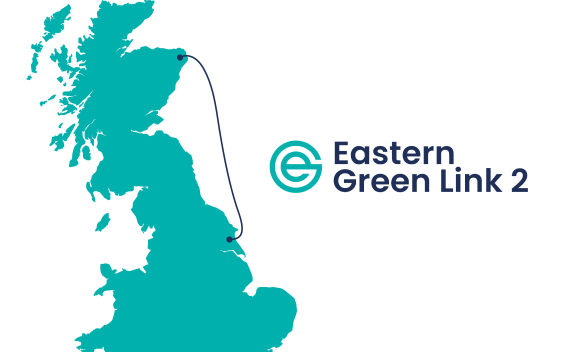
The UK’s biggest ever electricity transmission project, Eastern Green Link 2 (EGL2), has marked another major milestone with the opening of two brand-new Visitor Hubs in Peterhead, Aberdeenshire, and Wren Hall near Drax, North Yorkshire.
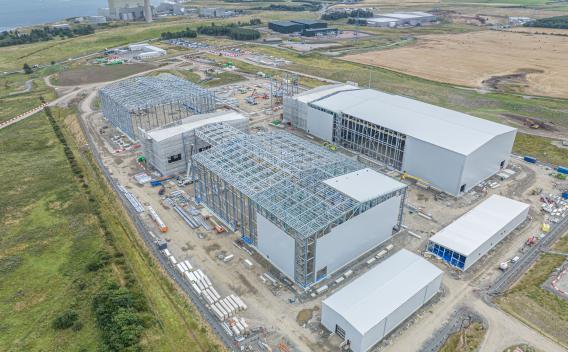
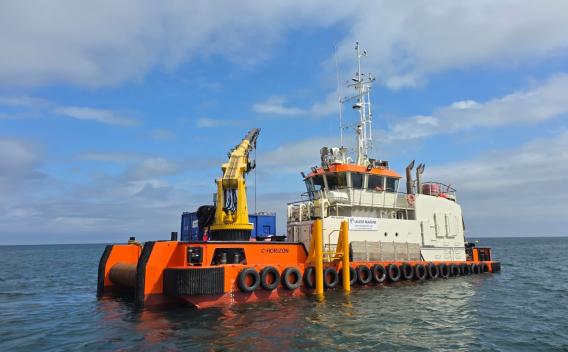
The 505km, 2 gigawatt subsea high voltage direct current (HVDC) cable – a joint venture between SSEN Transmission and National Grid Electricity Transmission (NGET) – will for a key link between Scotland and England and will carry enough clean electricity to power more than two million homes.
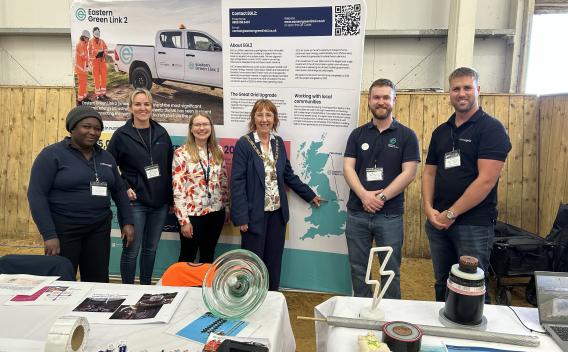
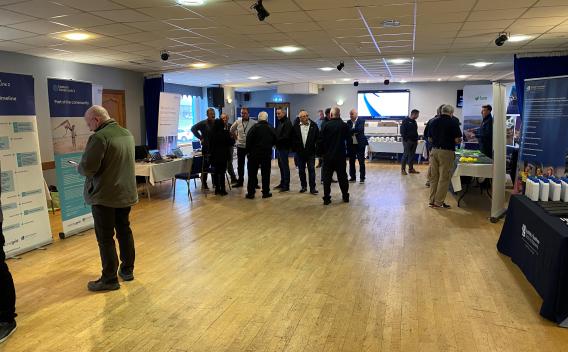
The new hubs will serve as focal points for community engagement, education, and skills development, allowing visitors to explore how EGL2 will help deliver the UK’s clean energy and energy security ambitions.
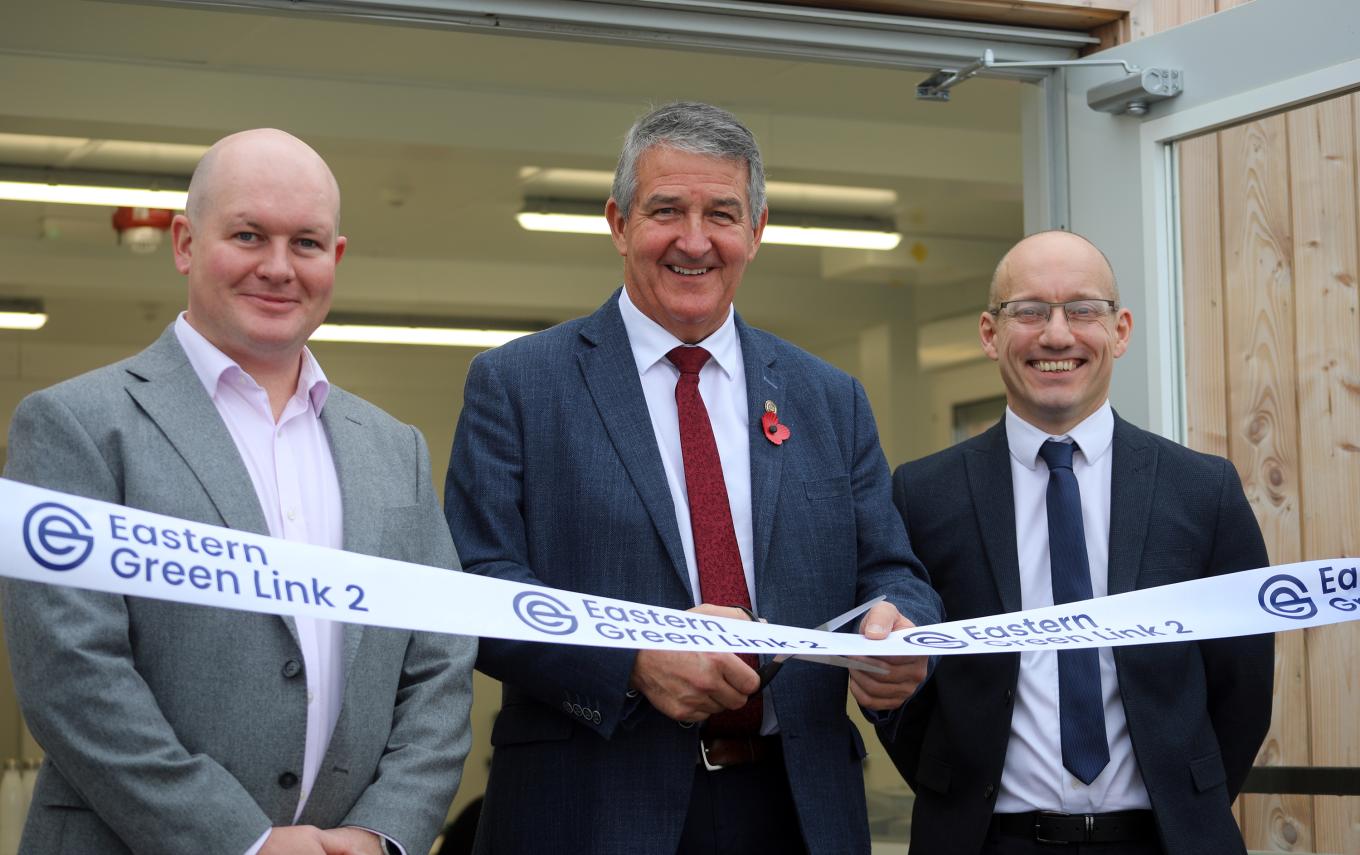
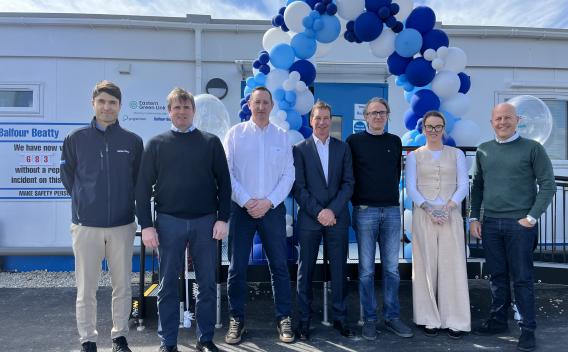
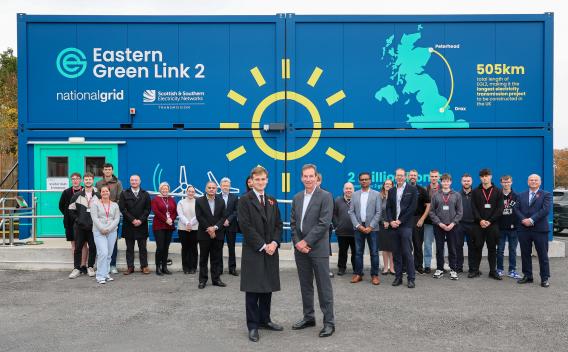
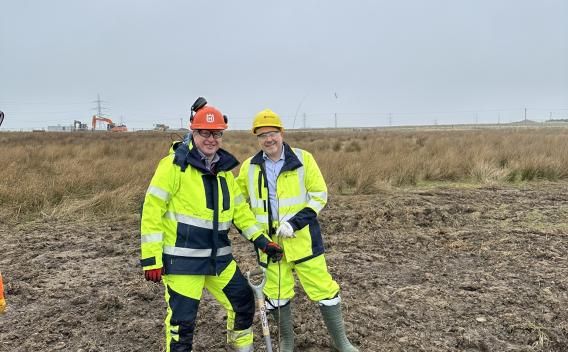
Image: Jim Buchan, Chair of the EGL2 Peterhead Community Benefit Fund, cutting the ribbon to formally open the Visitor Hub at Peterhead, alongside the EGL2 Project Director, Fionán Doonan (left) and SSEN Transmission’s Programme Director of Joint Ventures, Ricky Saez (right).
Hands-on learning from Scotland to Yorkshire
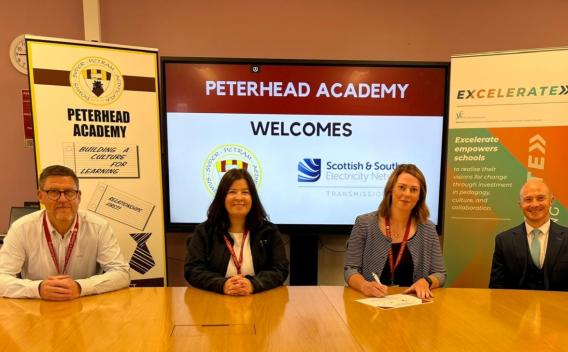
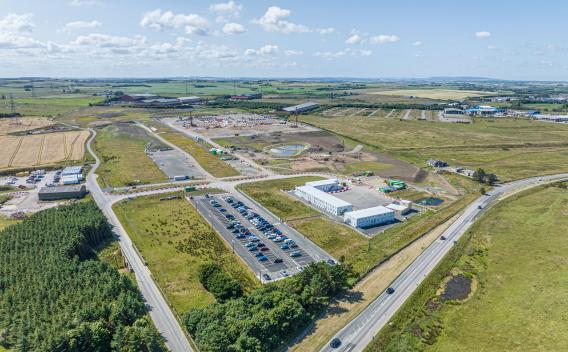
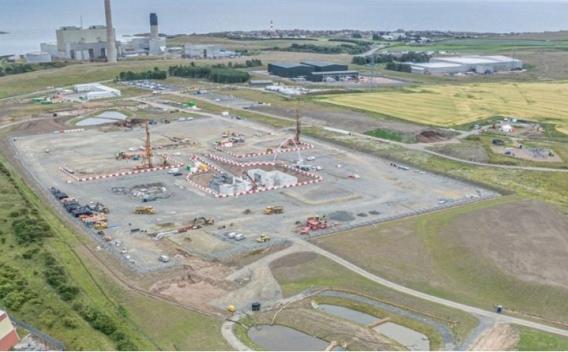
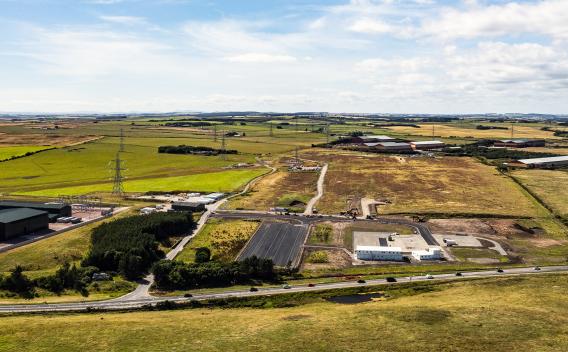
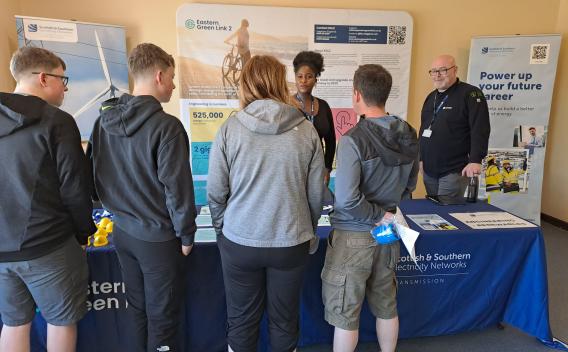
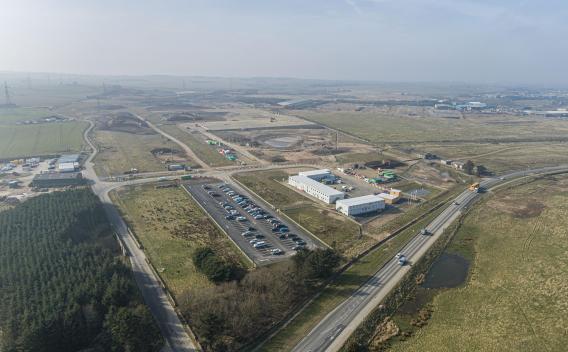
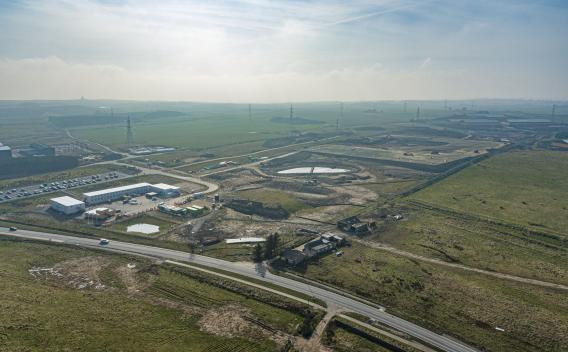
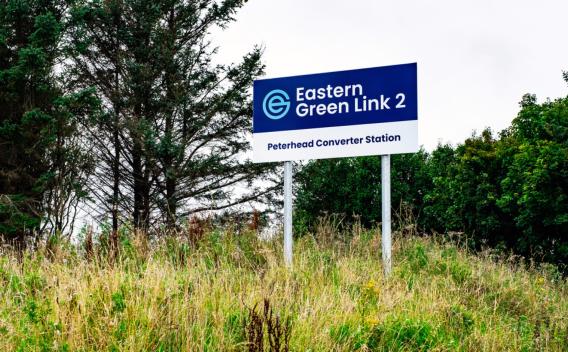
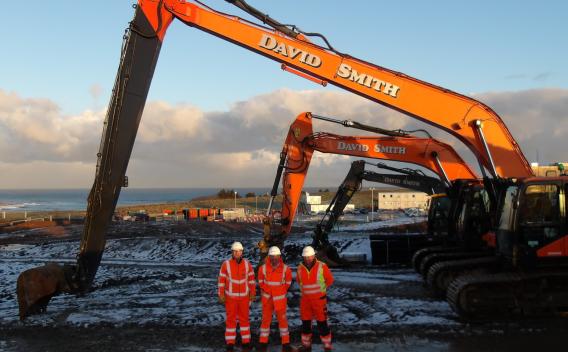
The Peterhead Visitor Hub, located near the converter station site, was opened by Jim Buchan, Chair of the EGL2 Community Fund, alongside local students from Peterhead Academy and members of the project team. The hub features a range of interactive exhibits – from virtual reality headsets and a hand-operated generator to an animated walkthrough and a LEGO model of the converter station – giving visitors the chance to explore how renewable energy travels from source to socket.
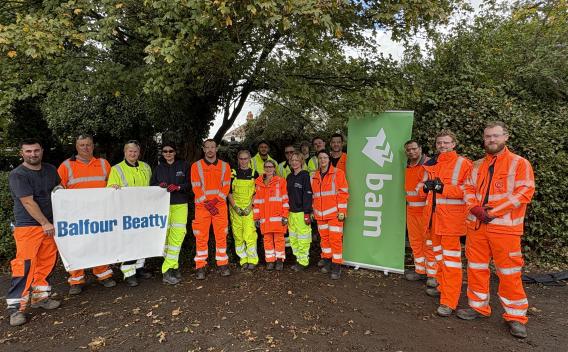
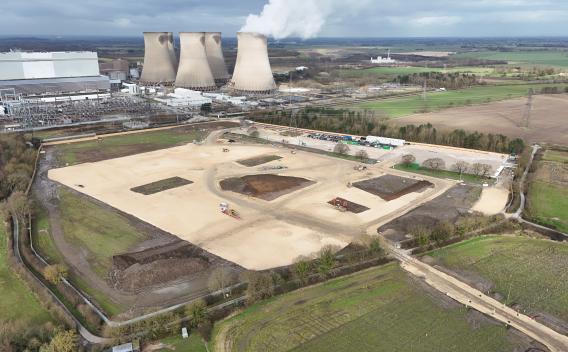
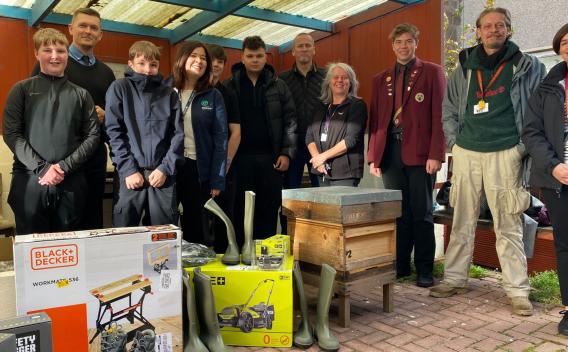
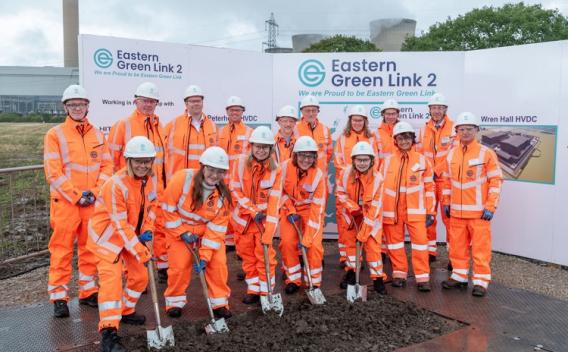
At the other end of the link in Yorkshire, Keir Mather, MP for Selby, officially opened the Wren Hall Visitor Hub, joined by students and staff from Selby College. The facility showcases the technology behind the converter station, with interactive displays including real safety gear, virtual reality tours, pylon-building challenges, and a model of the project route. The hub’s mascot, Sparky the Wren, will guide visitors through activities designed to make learning about electricity fun and accessible.
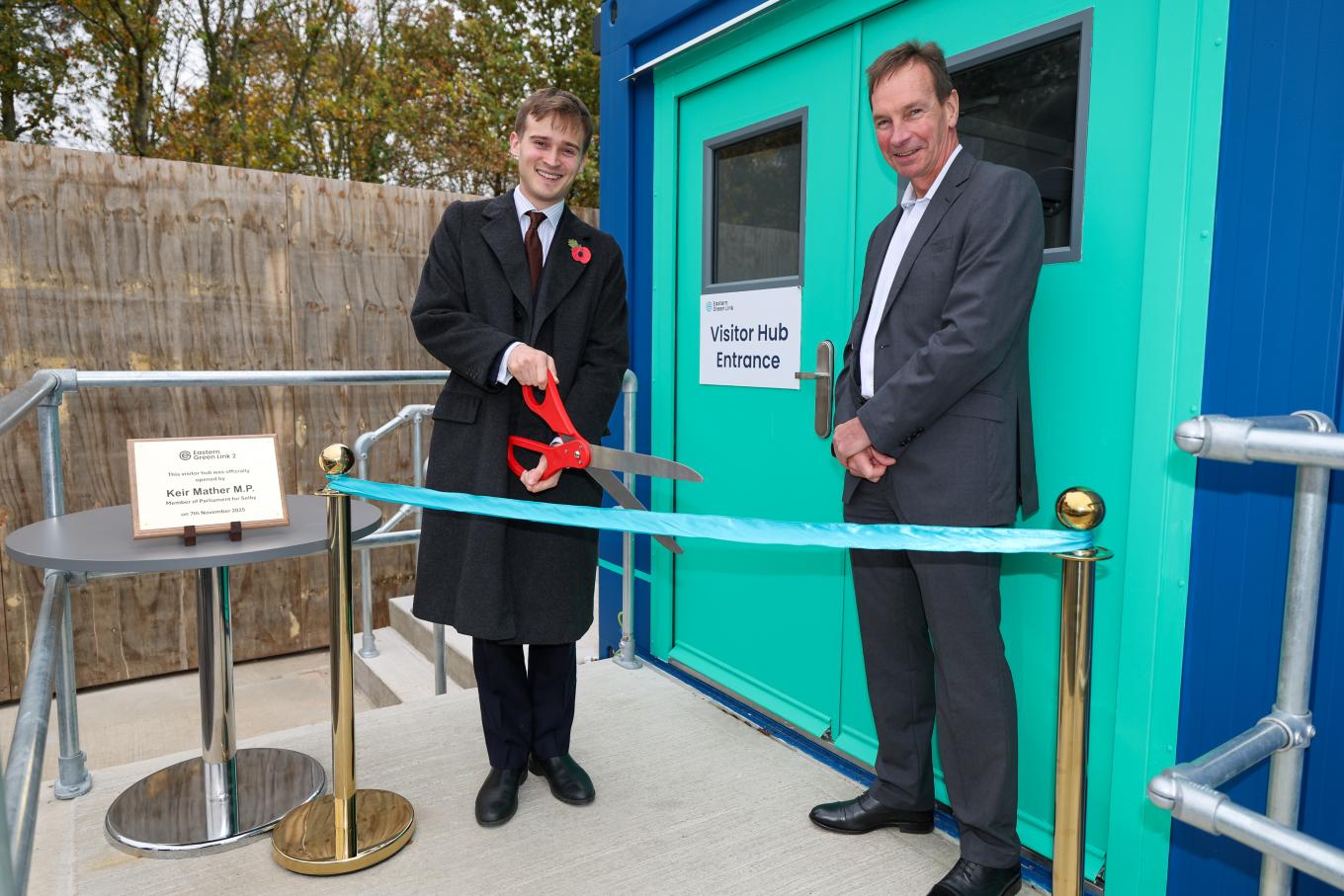
Image: Keir Mather, MP for Selby (left), cutting the ribbon to formally open the Visitor Hub at Wren Hall, alongside the EGL2 Project Director, Neil Lyons (right).
Both hubs are designed to inspire the next generation of engineers and provide opportunities for schools, colleges, and community groups to learn about the UK’s transition to a low-carbon future.
Fionán Doonan, EGL2 Project Director, said:
The opening of the Peterhead and Wren Hall Visitor Hubs represents our commitment to transparency, collaboration, and community engagement. These facilities will help people understand how EGL2 supports the UK’s energy transition while offering hands-on learning opportunities and insights into the world of engineering and clean power.
Neil Lyons, National Grid’s Deputy Project Director, said:
The Wren Hall Hub is a testament to our focus on community engagement and skills development. We look forward to welcoming visitors from across the region to explore how projects like EGL2 will power a cleaner, more resilient energy system.
Keir Mather, MP for Selby, added:
Projects like EGL2 are vital for our region and the UK’s journey to a greener, more secure energy future. The new Visitor Hub will inspire young people and the wider community to see the opportunities that come with major infrastructure projects like this.
Jim Buchan, Chair of the EGL2 Peterhead Community Benefit Fund, said:
I’m absolutely delighted to see the Visitor Hub open its doors. This new facility is a fantastic asset for the community — giving schools, community groups and other local stakeholders the opportunity to engage and learn all about this important infrastructure project as it takes shape.
EGL2 is part of a wider upgrade of the UK’s electricity transmission system. Following Ofgem approval in August 2024, construction is now underway, with the project expected to be operational in 2029.
The new visitor facilities underline SSEN Transmission and National Grid’s joint commitment to education, local investment, and public engagement, as they build the critical infrastructure needed to meet the UK’s clean power and energy security targets.
Both hubs are now open for schools, colleges, and community groups, offering free educational experiences that bring the story of clean power to life.